
Kitchen Kind #23
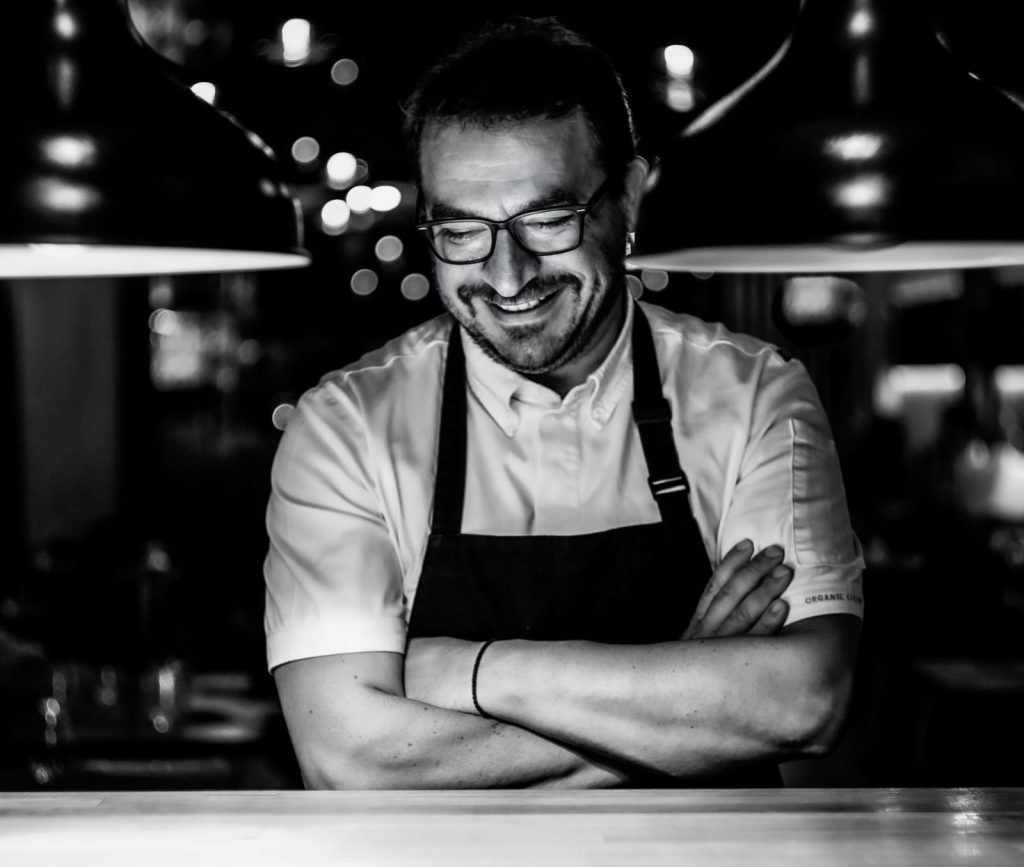
Ioannis Kasidokostas
Head chef and founder of Aegli
Ioannis Kasidokostas is the head chef and founder of Aegli, a refined take on modern Hellenic dining. Originally trained in his native Greece, Ioannis brings a deep respect for heritage and a boldly contemporary palate to the table. His cooking is guided by memory, shaped by time spent in both traditional kitchens and fine-dining environments across Greece and Australia. At Aegli, he distills the essence of Greek hospitality into elegant, seasonal dishes that honour both his upbringing and his creative instincts. Ioannis has a new venue in the pipeline too… stay tuned.
What dish or ingredient speaks of love to you and why?
Big fish. Always. Because it says a lot, particularly about the person who cooks it. The skill required, the freshness… It speaks volumes when you cook a whole fish, and do it right. The condiments are limitless, from salads to everything else, but the fish is the epicentre of a good table in Greek cuisine. Grouper is great – nobody is going hungry, and you can’t hide anything with a good whole fish, you can’t manipulate it.
When you think of tradition or ritual what dish, or ingredient, comes to mind?
Grilling over wood fire and charcoal, is a ritual in itself. If you want to achieve the perfect result, you’ve got to follow steps starting a couple of days previous – brining, marinating, air drying, building the right fire. That’s a ritual in itself. Even with vegetables, how you marinate them is so important, getting a chill on them before you put them on the flame for the right texture. it’s not just a technique, it’s a way of amplifying flavour and showing the unapologetic beauty in imperfection. There’s poetry in it. I grew up in Athens, and in our family, the grill brought people together. The ritual of it – celebrating over food, sharing what you’ve made – that was our way of expressing joy, of honouring each other with skill. It wasn’t always perfect, and that’s what made it beautiful.
When a friend or family member comes over, what is a dish you like to cook for them?
The real luxury is just in the chance to sit down together and share a meal. As chefs we work so much that simply catching up, eating slowly – it’s a gift. Whether it’s fancy or simple, it’s the moment that matters. We know how important that pause is, how rare.
Even a piece of bread, some pasta, a cheap cut of meat we braise, that’s enough. It’s not about what’s plated, it’s about who’s at the table. We really feel that, because there are weeks when we don’t get that time. So when it does happen, it means something. It doesn’t have to be a lobster or something fancy, it just needs to be shared.
At our restaurants we want people to taste Greece, to know how we eat. Even Horta, the most simple thing on the planet, that’s medicine. Most people throw all the liquid away, but we boil it down, we keep all the stock and we put it into our bodies. That’s a powerful thing. There’s so much consideration behind every dish, so many dreams. A lot of the time people make things fancy, but we are trying to create a delicacy, to transport people into history, into the story of place and people. This is a true delicacy.
Horta Recipe
Horta is one of the key symbols of the Aegli menu.
Usually boiled and strained, served in a bowl with olive oil and lemon juice. Magnificent, but what is left back in the pot is a bit of nature that is important to our health and longevity.
Ancient Greeks used to drink the water that they had cooked their greens in. At Aegli our wild greens “horta” are pot cooked whole, a slow process over three hours on the stove.
Vegetable stock, a few pieces of baked tomatoes preserved in salt, sugar and cracked pepper (for us to have a trace of summer tomatoes in our winter food) of course lashes of olive oil, and let slowly cook to release their magic.
- 500gr wild greens (anything from amaranth to chard)
- 2ltrs vegetable stock
- 200ml olive oil
- 50gr baked tomatoes
Saute all the ingredients in a pot and low temperature, add the stock, and after our ingredients reach boiling point, lower the temperature and keep simmering for three hours.
Serve with plenty of olive oil, and taste the wisdom of food as medicine.
Turnip Media recognises the Wurundjeri as traditional owners of the land on which we live and work.
We pay respect to their elders, past, present and emerging.