
Kitchen Kind #22
David Ricardo
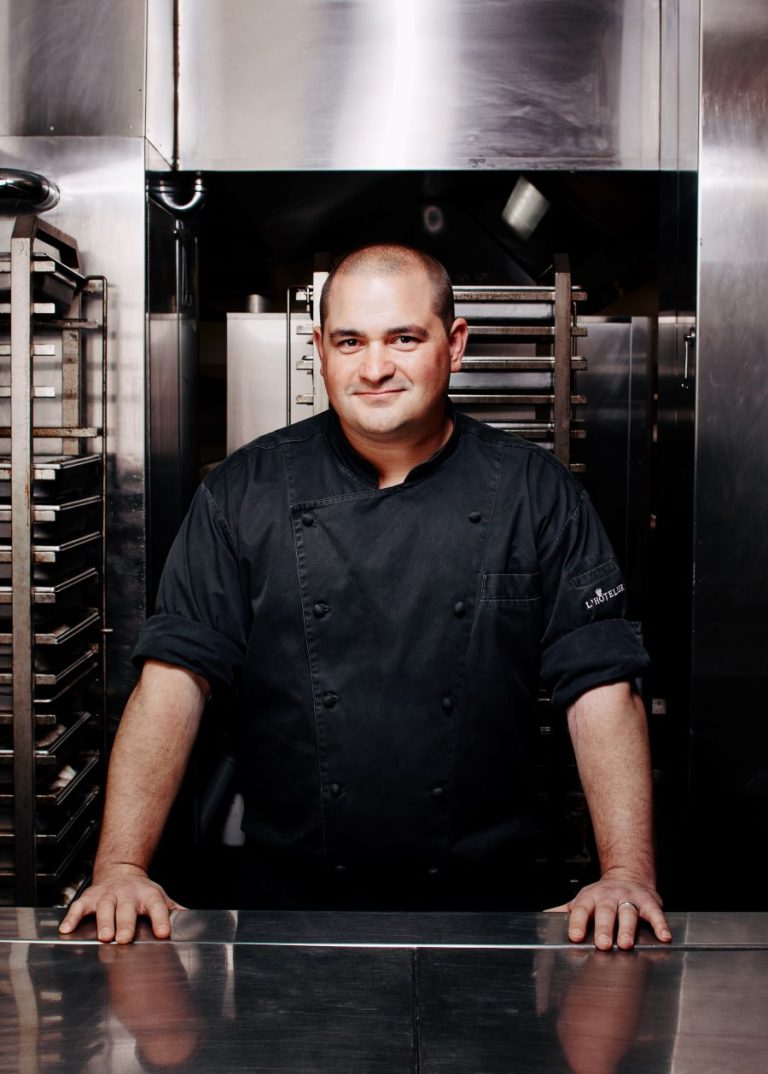
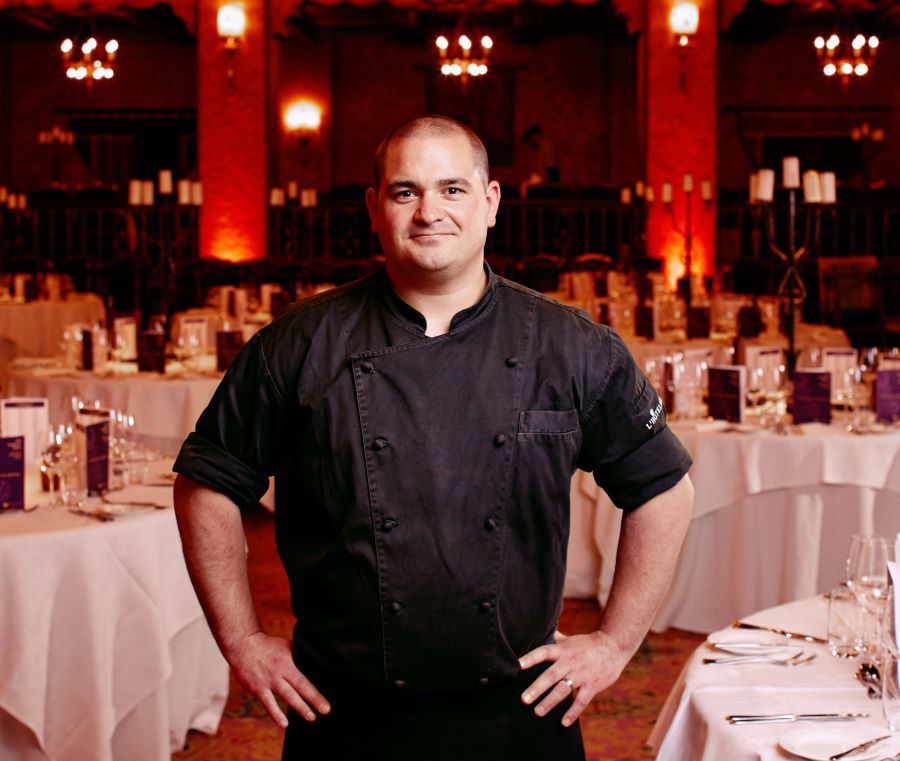
David Ricardo has had a significant career - from opening and heading the kitchen at Pearl in Hong Kong in his twenties before leading Chin Chin as Executive Chef for several years. Today David is spearheading the culinary program at Marriner group, cooking for your favourite Melbourne venues - from the Princess Theatre to The Forum - while mentoring a diverse team of Chefs. Chef David choreographs intelligently conceived dining experiences for hundreds of people at a time. David speaks to Turnip with rapture about the best meal he ever had - in a tent - and some early memories that led him to a life in the kitchen.
What dish or ingredient speaks of love to you and why?
Growing up, I always helped my mum cook. I guess it was that shared experience and time, until I took over cooking the family meals. Dad was a steak and veg guy, and I think he got a little annoyed when he came home and I was cutting it up in different ways, to try different things out.
My earliest memory of cooking was with my mum, making rice pudding. I can’t even recall whether I liked it, but I have dared not ever make it again, because the memory is so special. Rice pudding is such a simple dish, but I refuse to recreate it, because I don’t want to ruin that perfect memory. Those kinds of experiences – the shared time – is why I fell in love with cooking.
When you think of tradition or ritual what dish, or ingredient, comes to mind?
For Christmas we do good food, simple. A barbeque, maybe use the new outside pizza oven. My grandma’s Christmas pudding is a big ritual. There’s so many different stories around it, like feeding it to the vegetarian, beef suet hidden within. Vegetarianism was pretty new then – my grandma was like, ‘what do you mean – beef fat is vegetarian, isn’t it – there’s no meat!’
We had big family gatherings, on my mum’s side. The parents would have brandy cream til the realisation that it was mostly brandy, with just a little bit of cream, rather than the other way around.
Australian food culture is interesting. We appropriate – and I think that’s a culture in itself. It’s an amazing thing, to not be defined. We can go somewhere, really enjoy it, and bring it home and make it our own. It’s a strength; we aren’t pigeonholed. We have managed to turn Meblourne into one of the culinary destinations of the world – and it’s still early days. We are thriving here in Melbourne.
When a friend or family member comes over, what is a dish you like to cook for them?
Green Thai Curry. I was always taught that a curry is made from love, the recipe is a guide. You have to know and feel the ingredients – depending on what time of the year you are making it, everything is different. Chillies and lime taste completely different depending on the time of year you harvest them. It takes time – I pour my heart and soul into a good curry. It’s love.
One of the best meals I’ve ever had was stopping at a little tent on the beach. It was this little old lady, cooking out of a blue tarp tent with a single burner, no refrigeration. Just a couple of benches set up on the beach, and the most stunning, life-changing meal. It was absolutely unexpected – I have been cooking for twenty-five years and probably the best meal I have ever had was in a tent. There was pride and love in that meal, and it cost me pennies.
Green Chicken Curry
Makes enough for 4-6 people, with a bit of curry paste to spare.
Green Curry Paste
- 50 grams long green chilli
- 1 gram table salt
- 23 grams galangal, peeled and chopped
- 40 grams lemongrass, thinly sliced
- 4 grams coriander root, washed
- 10 grams turmeric, peeled and chopped
- 110 grams red shallots, peeled and chopped
- 65 grams garlic, peeled and chopped
- 13 grams of shrimp paste
- 4 grams white peppercorns
- 4 grams coriander, seeds
- 3 grams cumin powder
- 2 grams lime zest
Green Curry Sauce
- 0.5 tin coconut milk (400ml tin)
- 50 ml vegetable oil
- 2 each kaffir lime leaves, torn
- 60 ml fish sauce
- 35 grams palm sugar, grated or crushed
- 1.5 tins coconut milk (400ml tins), extra
- 160 ml chicken stock
To Finish
- 800 grams chicken thigh fillets
- 1 punnet baby corn
- 1 punnet oyster mushrooms
- 8 each apple eggplants, cut into quarters
Method – Curry Paste
Preheat your oven to 180°C.
Lightly oil one side of an A4 sized piece of foil. Gently spread the shrimp paste across half of it, leaving room around the edges. Fold the foil in half and roll the edges to seal it. Roast in the oven for 5-10 minutes until firm and the pungency has reduced.
Dry roast coriander and cumin seeds separately in a fry pan, transfer to a spice grinder with the white peppercorns and process until fine.
Combine all ingredients and blend to a smooth paste. Set aside.
Method – Curry Sauce
Place approximately 200ml (half a tin) of coconut milk in a heavy-based saucepan with the vegetable oil.
Cook over medium-high heat until the coconut splits.
Turn the burner down to medium and add 200 grams of the curry paste and the torn kaffir lime leaves. Fry until cooked out, and the paste develops a deep, rich aroma, approximately 5 minutes. The smell of raw shallot and garlic should be gone.
Add the palm sugar and cook for 1 minute.
Add the remaining coconut milk (1.5 tins) and chicken stock. Bring to a simmer.
Season with half the fish sauce.
To Finish
Grill the chicken (I prefer to use a charcoal Weber) until it’s ¾ cooked. Once almost cooked, take it off the heat and cut into pieces before adding to the curry sauce to finish cooking.
While grilling the chicken, put the baby corn, mushrooms and eggplant in the curry sauce to cook.
Once the chicken has finished cooking, test for seasoning and add more fish sauce if required.
Serve with jasmine (or coconut) rice, coriander, Thai basil and lime.
Notes
Use coconut milk that doesn’t contain stabilisers, this makes it harder for the coconut to split when frying the curry paste. I use TCC brand.
Mega Chef my go-to brand! I use the brown bottle for cooking, and the more refined blue one for salad dressings.
The vegetables can be swapped out for whatever you prefer.
Traditionalists would omit the vegetable oil and use more split coconut. If you have the time, sure!
Another adjustment I’ve made is adding palm sugar. It’s not really used when making an OG green curry. I add it just to soften the intensity of the curry – my kids prefer it that way, and you have to cook to your audience!
And yes, you should use a mortar and pestle to make the curry paste. But it takes significantly more time, and who has that these days!
Turnip Media recognises the Wurundjeri as traditional owners of the land on which we live and work.
We pay respect to their elders, past, present and emerging.